Settle in, gently.
We provide all adopters and fosters with supporting reference material — and we’re here to answer questions along the way.
Supporting the dog after arrival
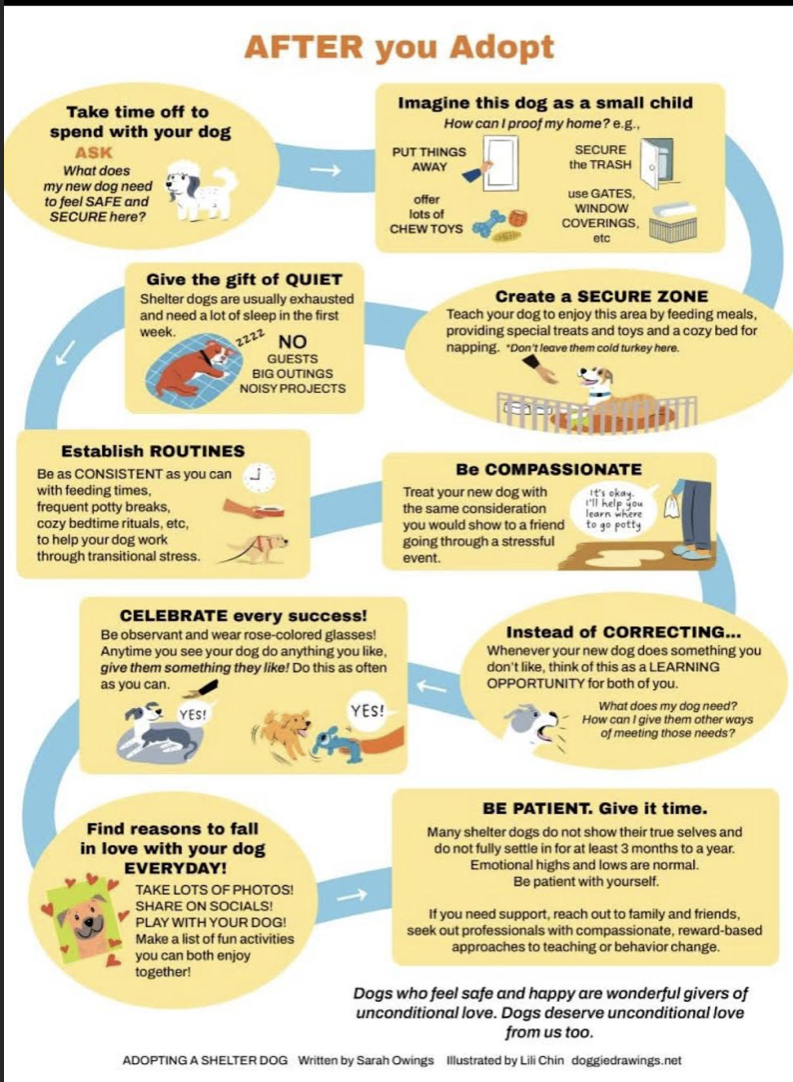
Go slow
Naturally when our dog arrives we want to share with them all the wonderful things this new life has to offer. But wait — your dog has just been through a very scary ride. They don’t know you, may have never been in a home, and are overloaded with new things. Give them time to settle. Let them decide when to approach, give them quiet time for lots of naps, and reward them for exploring without forcing them. Introduce them just to their immediate world and their people for a couple of weeks, then progress at their pace. For now, build trust and create a feeling of safety.
Safety & flight risk
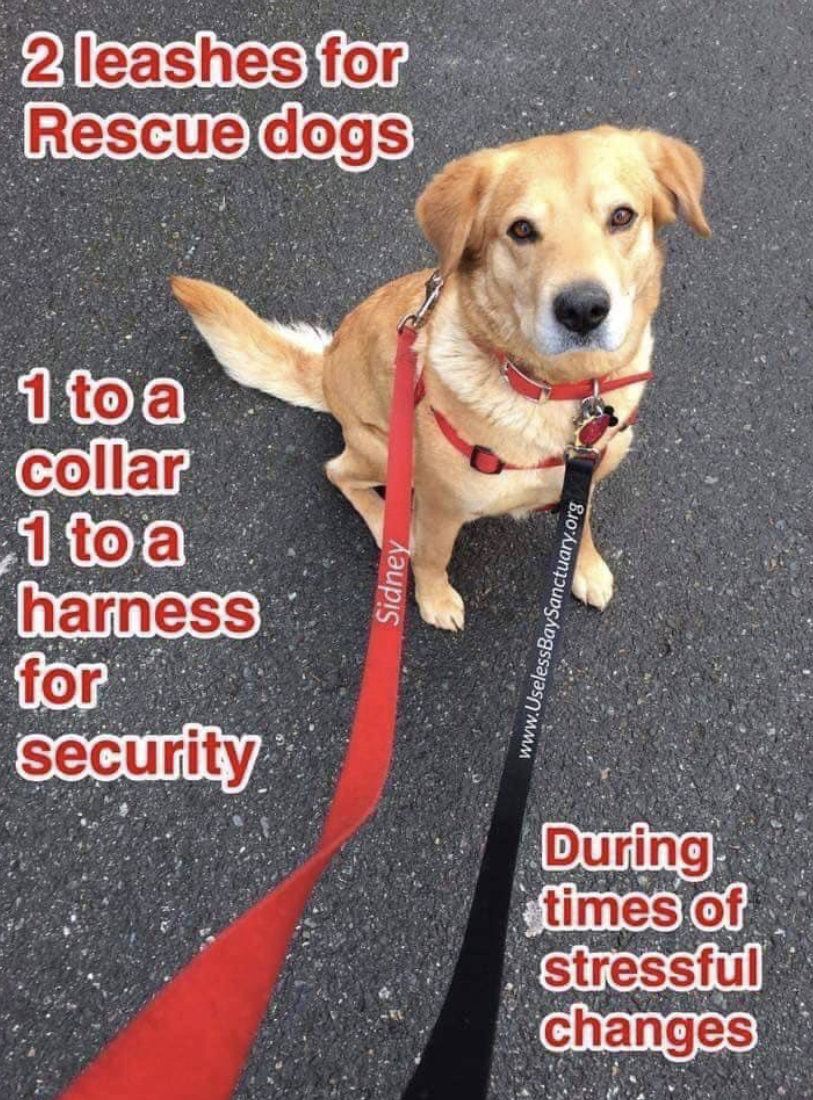
All newly arrived dogs are under high stress and have a heightened risk of a “flight response” where a dog flees from a perceived threat. To start, all dogs should be in an approved escape-proof harness and double-leashed — one leash to the collar, one to the harness. Be extremely cautious coming and going from the home or car, as they can easily slip out. Dogs should not be off-leash until they have proven recall, practised over weeks and months in progressively more distracting environments.
See the harness comparison (PDF): Harness recommendations. Recall training video: YouTube — building recall.
Speak their language
Learn more about what they are telling you with ispeakdog.org. Rather than telling them NO, teach them what you’d like using basic positive-reinforcement marker training: Marker training basics.
Supporting your dog
Chirag Patel’s talk 10 Things Your Dog Wishes You Knew is a lovely introduction to understanding and helping your new dog.
Dog body language
Look for signs your dog is worried, give them space from scary things, and pair new experiences with positive rewards (food!). If they growl or bark, they’re communicating elevated stress — listen, don’t correct. Helpful reading:
Dogs and kids
It’s important that we advocate for our dogs and ensure they have the space they’re asking for. Kids can be erratic — moving quickly or loudly, or touching in ways that make dogs uncomfortable. Useful videos:
Introducing a second dog
Introducing a new dog to any home — as a new adoptee or a foster — is a big change. Your current dog may not be sure how to settle, or may be worried about sharing. Your new dog has just been through a huge change and could use a little space to feel safe. Going slow to integrate new pets is key.
- Set up for success by removing items that create guarding (toys, chews, etc.)
- Create separate spaces — baby gates are your friend.
- Feed dogs separately.
- Introduce on neutral territory with a short parallel walk: Parallel walk video.
- Watch body language for any signs of resource guarding.
- Do not have one dog off-leash and one dog on-leash for introductions.
- Do not pick up your new dog at the airport with your current dog.
How to find a trainer
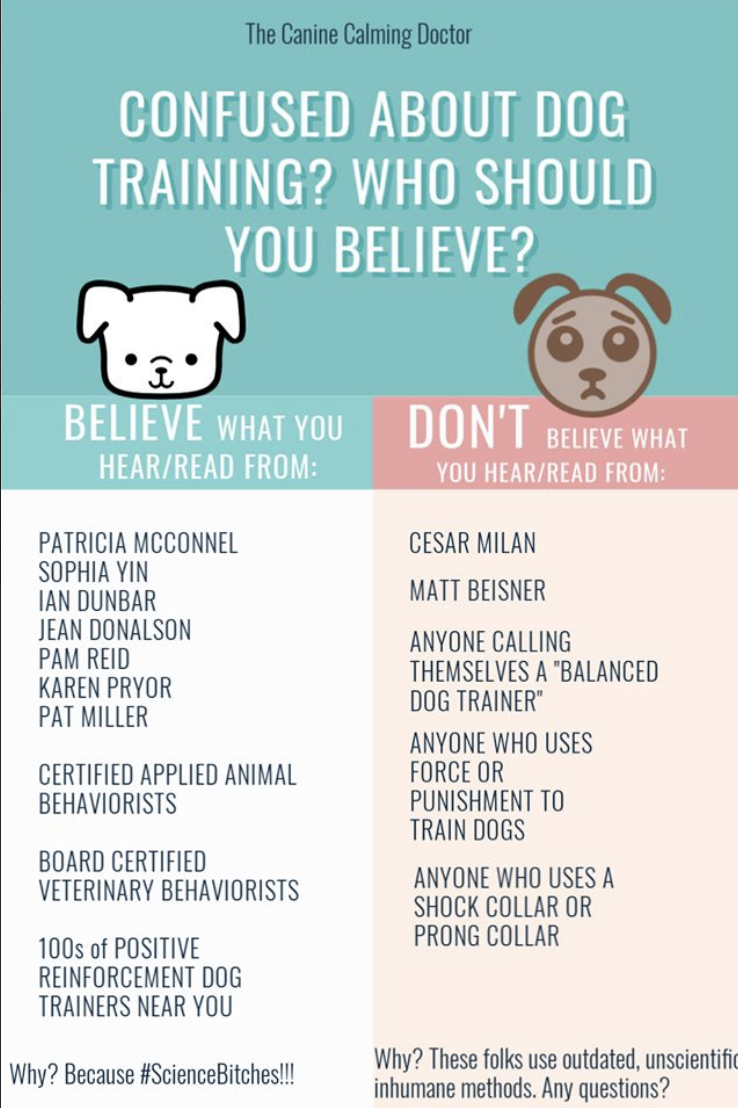
The training industry in Canada is unregulated and challenging to navigate. We provide all adopters with recommendations for trainers whose education and credentials we’ve checked. Some certifications to look for: CTC, CDBC (IAABC Behaviour Consultants), KPA or PPG. A good trainer will outline their education on their website.
Helpful reading: How to choose a dog trainer.
Search worldwide for trainers educated at the Jean Donaldson Academy of Dog Training Professionals: APDT trainer search.
Red flags in trainers
- Promises quick fixes
- Uses words like dominance, pack, obedience
- Does not provide education credentials
- Shows content with prong collars, e-collars or slip leads
- Uses “K9” in their title
Online trainers we like (science-based, ethical): KikoPup and TrainMePlease on YouTube.
Travel information
Ahead of your dog’s arrival you’ll be provided information on their arrival and meet-up location. Regardless of whether you’re meeting your dog at the airport or adopting through a foster, you’ll be provided with your pet’s health record (health check, spay/neuter date if applicable, and vaccination record). Your dog will get a final health approval within 5 days of their travel.
When picking up your dog you’ll need:
- Lots of yummy food rewards
- An escape-proof harness
- Two non-retractable leashes (retractable leashes aren’t safe)
Food & nutrition
We recommend a raw natural diet for our dogs to optimize long-term health and immunity, as well as an added probiotic. Canned pumpkin is a good idea — especially to start — as stress can lead to tummy upset.
Reference (PDF): Recommended raw food brands.
Questions? Email us at pvcarescue@gmail.com — we’re happy to help.